

Core Concept
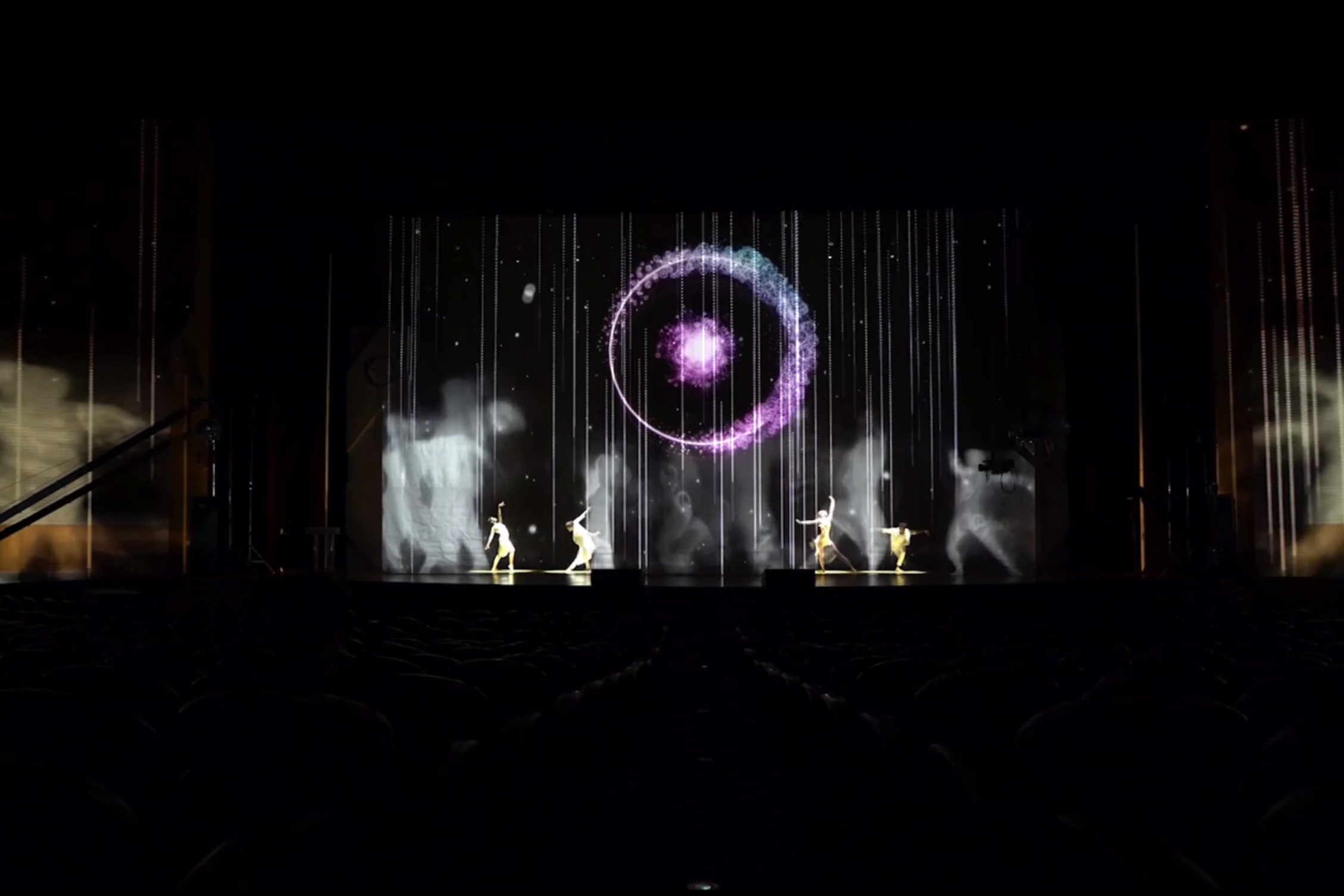
With Century of Imagination, we invite the audience to see the future not as a finished world waiting for us, but as something we create through experimentation and mutual inspiration. A glimmer stands for first curiosity; light taking shape suggests an idea becoming real; a broader, colourful space carries hope for what lies ahead. Technology makes imagination visible, but human feeling, action and creativity move it forward.
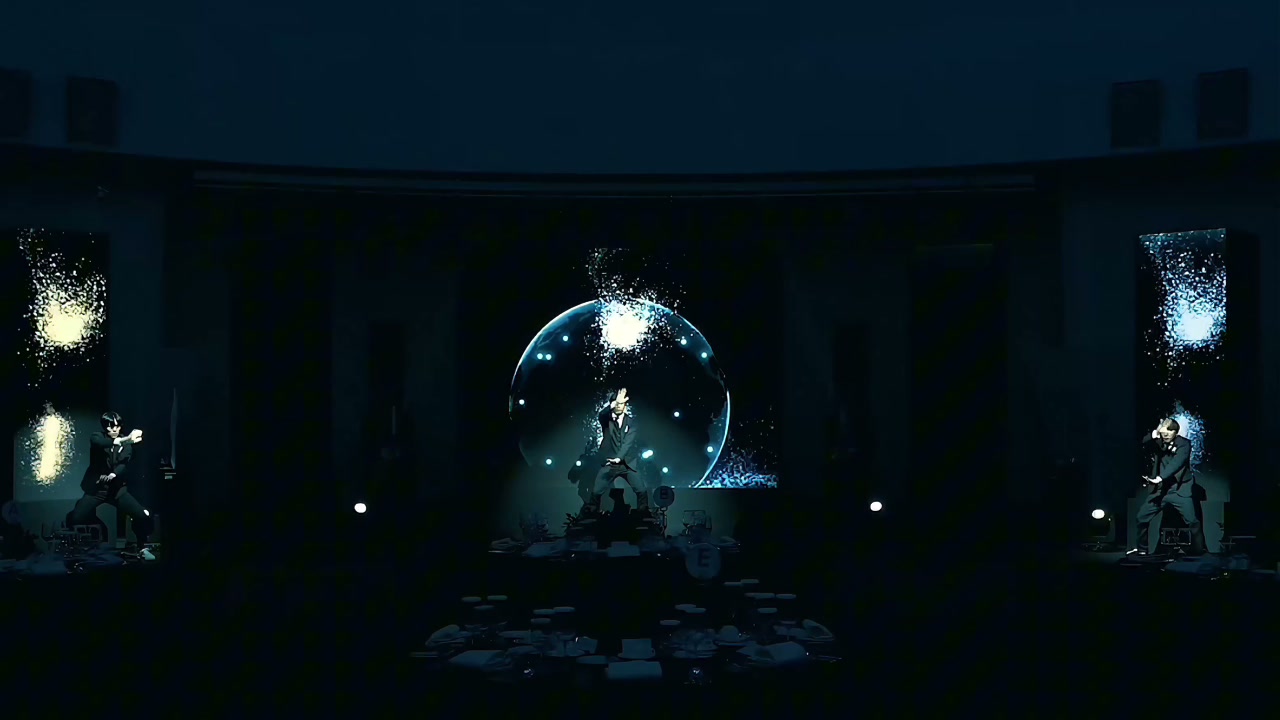
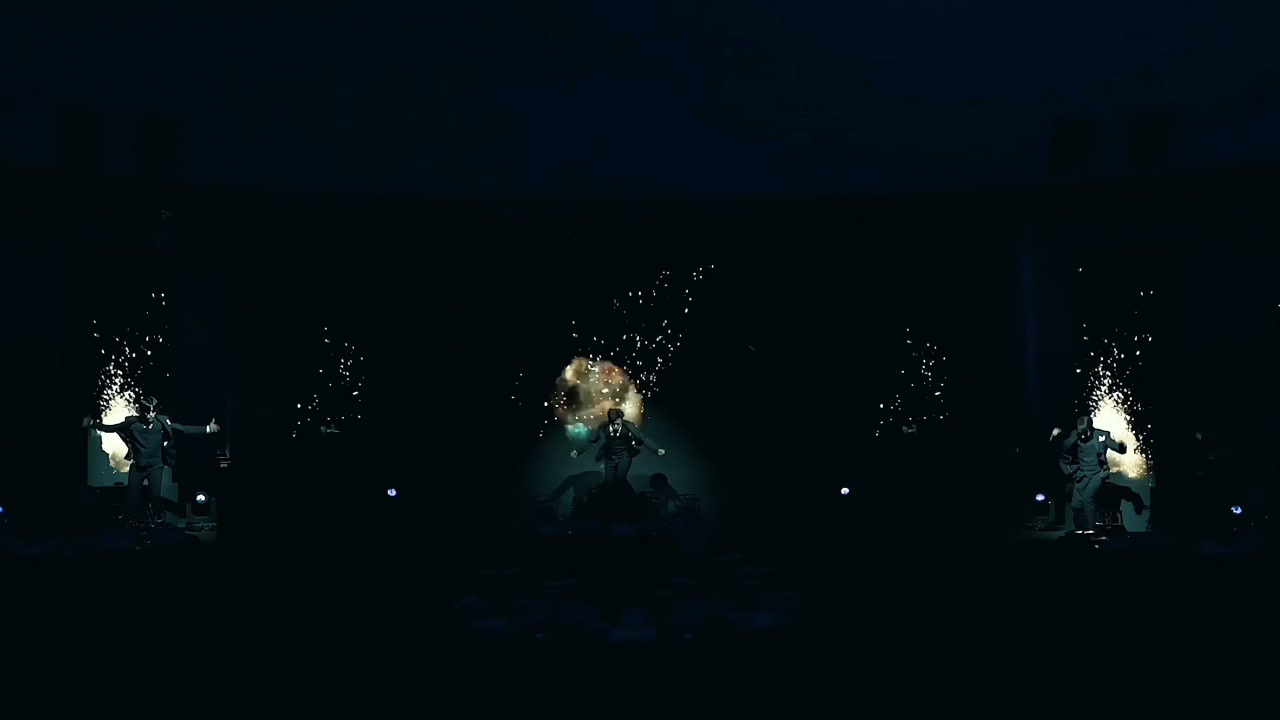
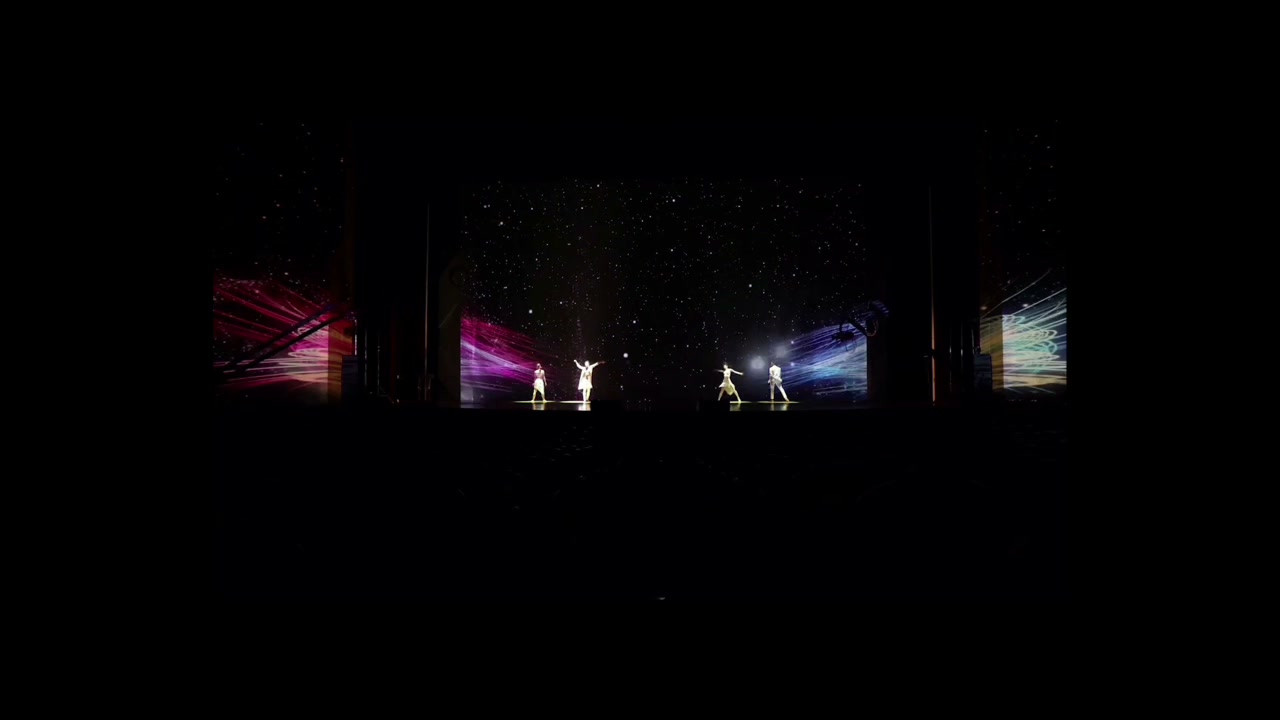
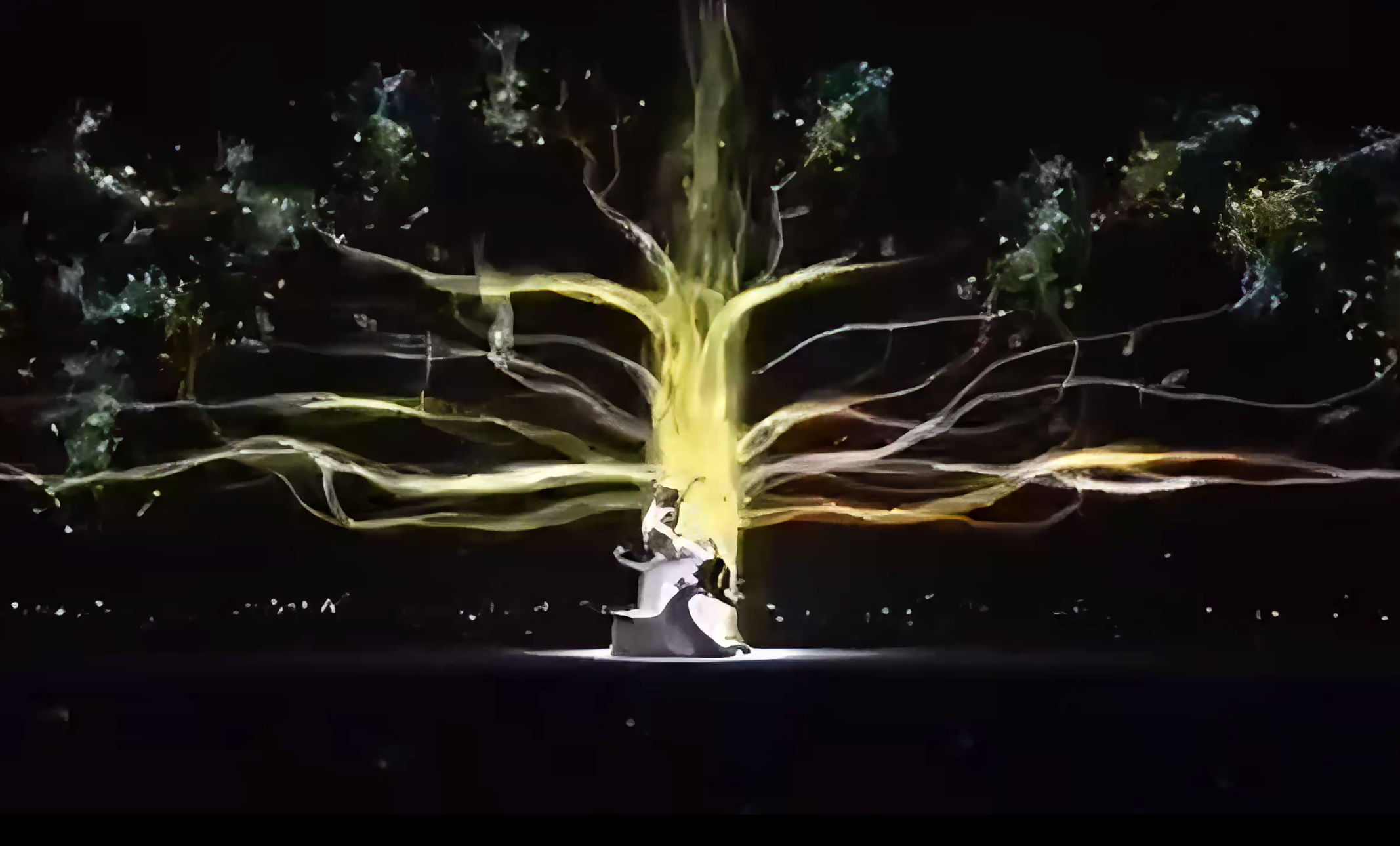
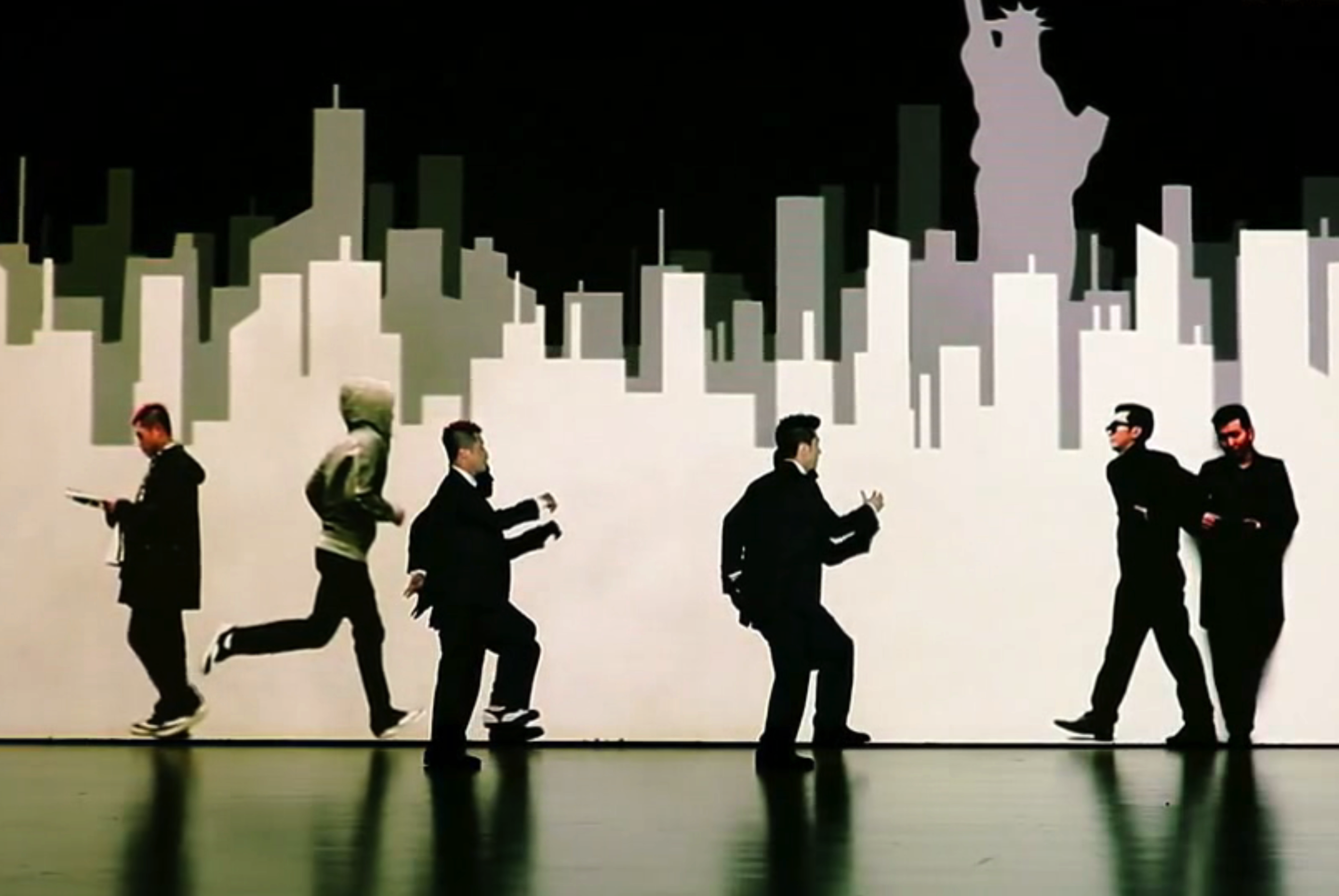
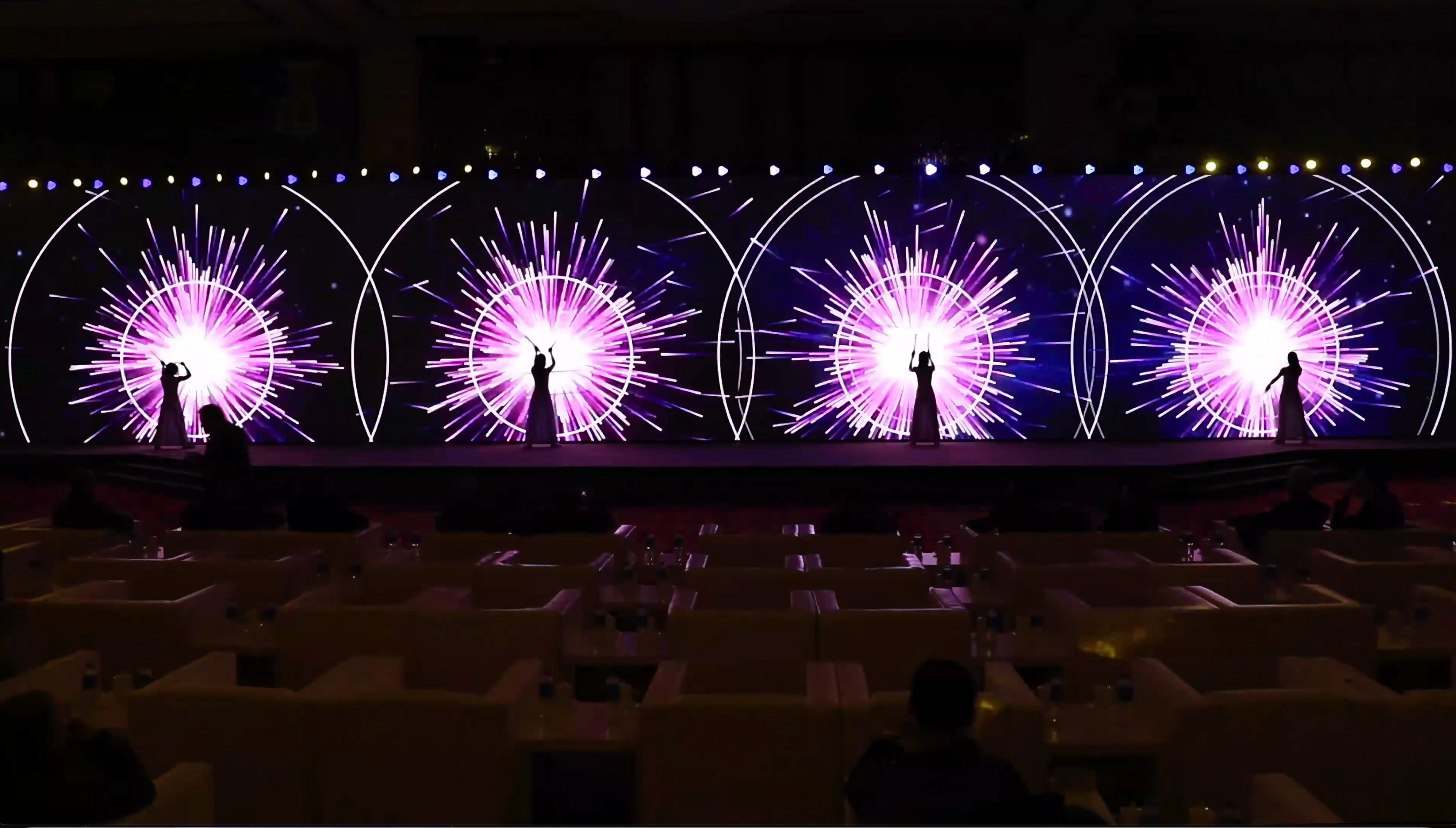
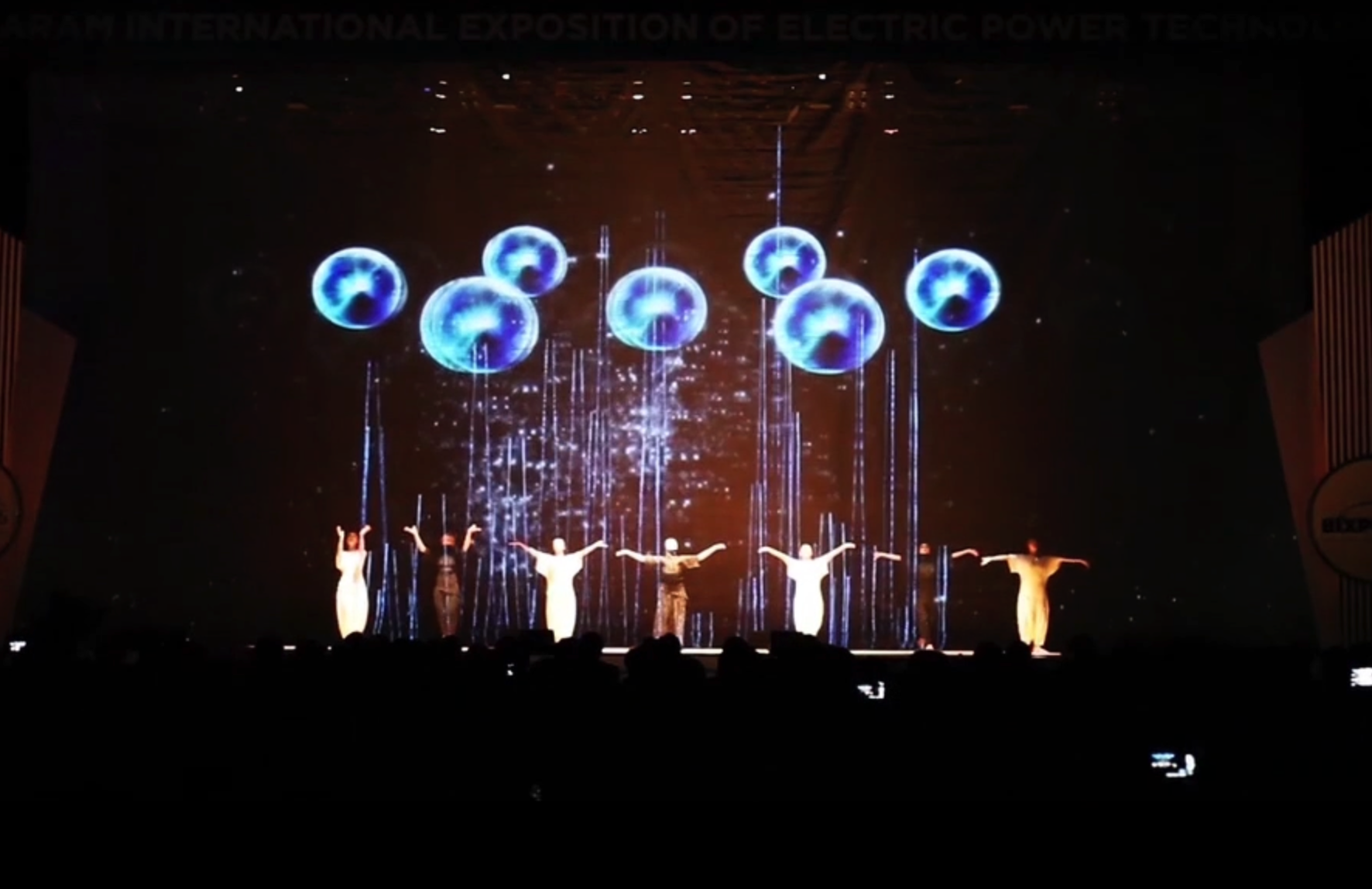
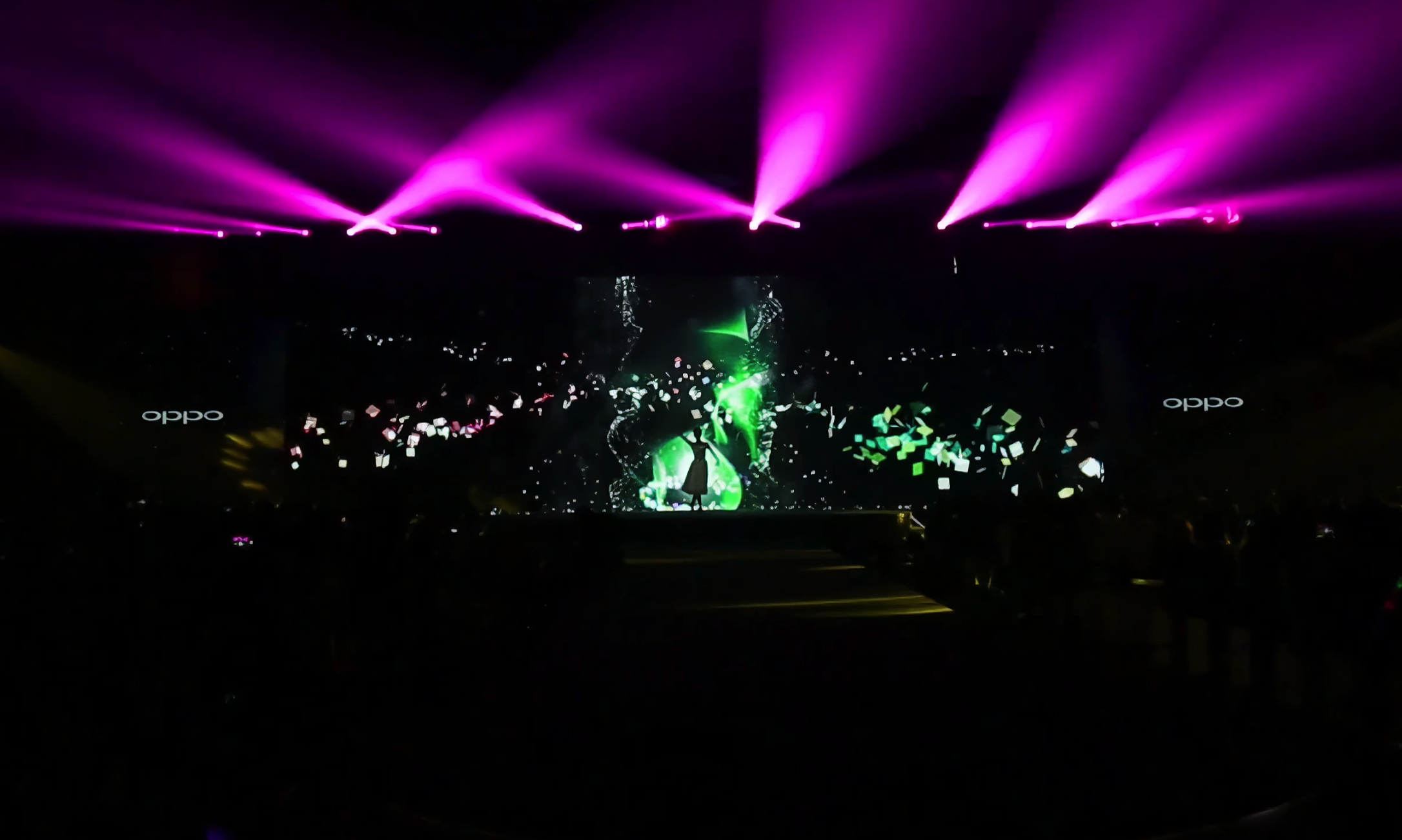
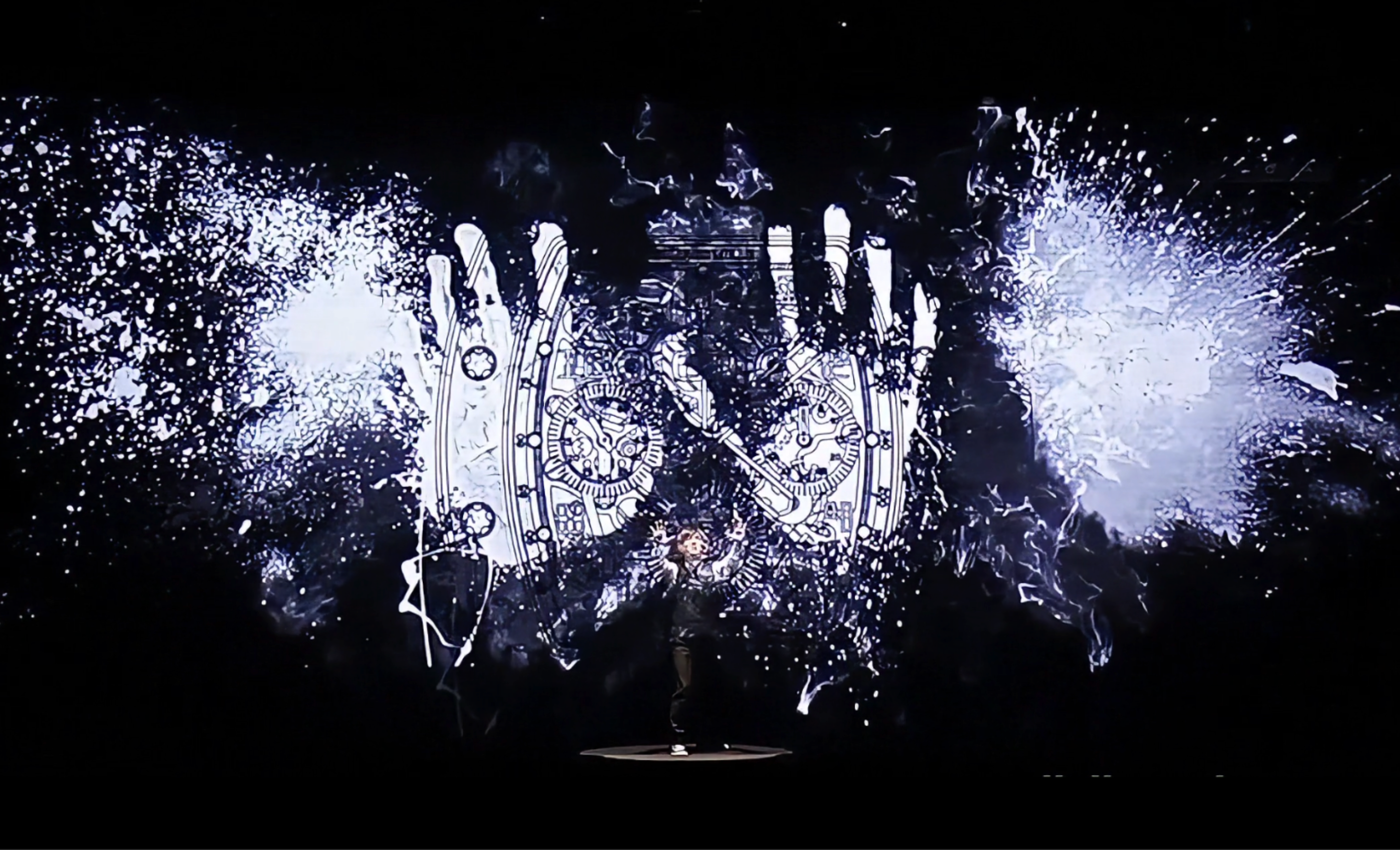
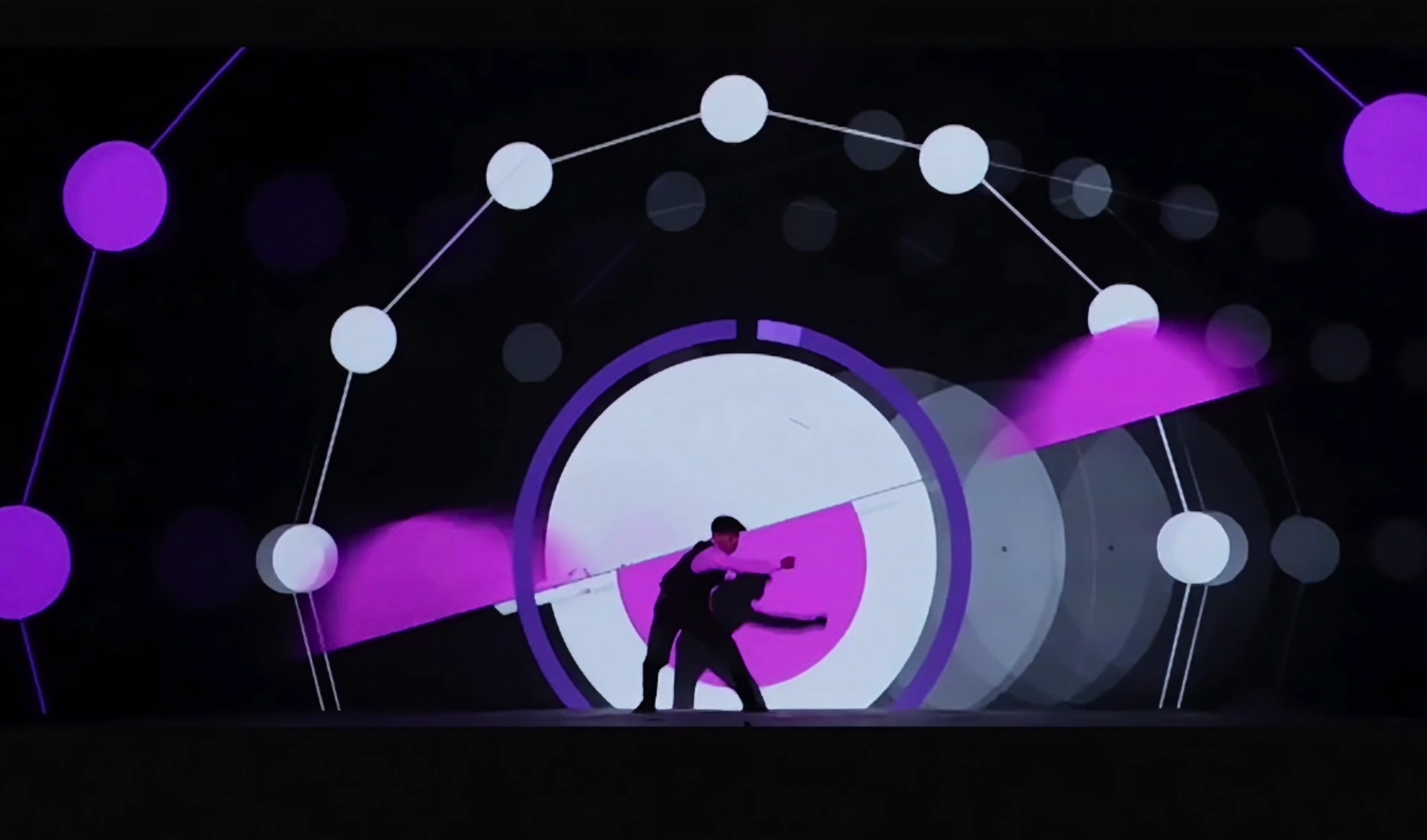
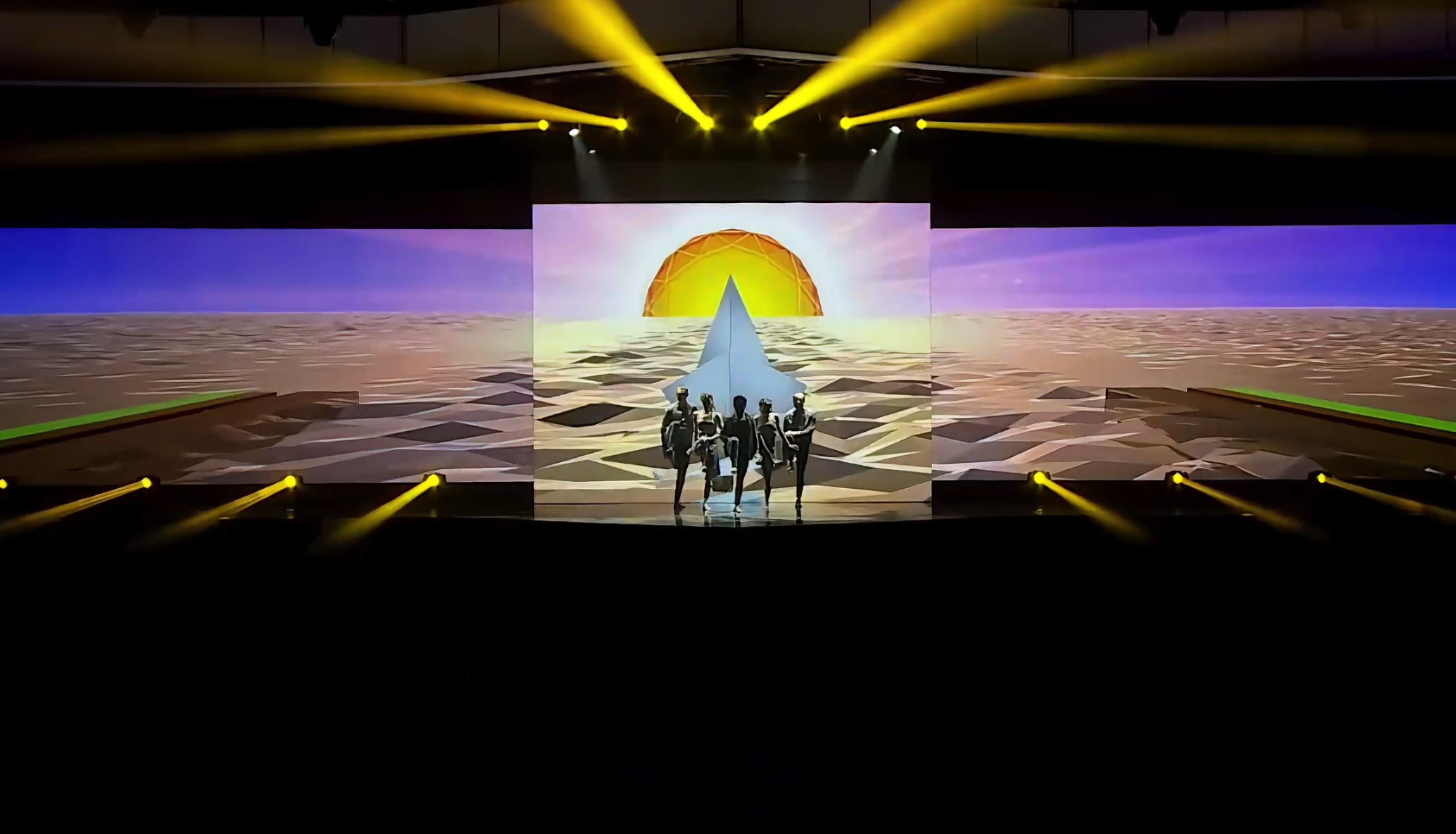
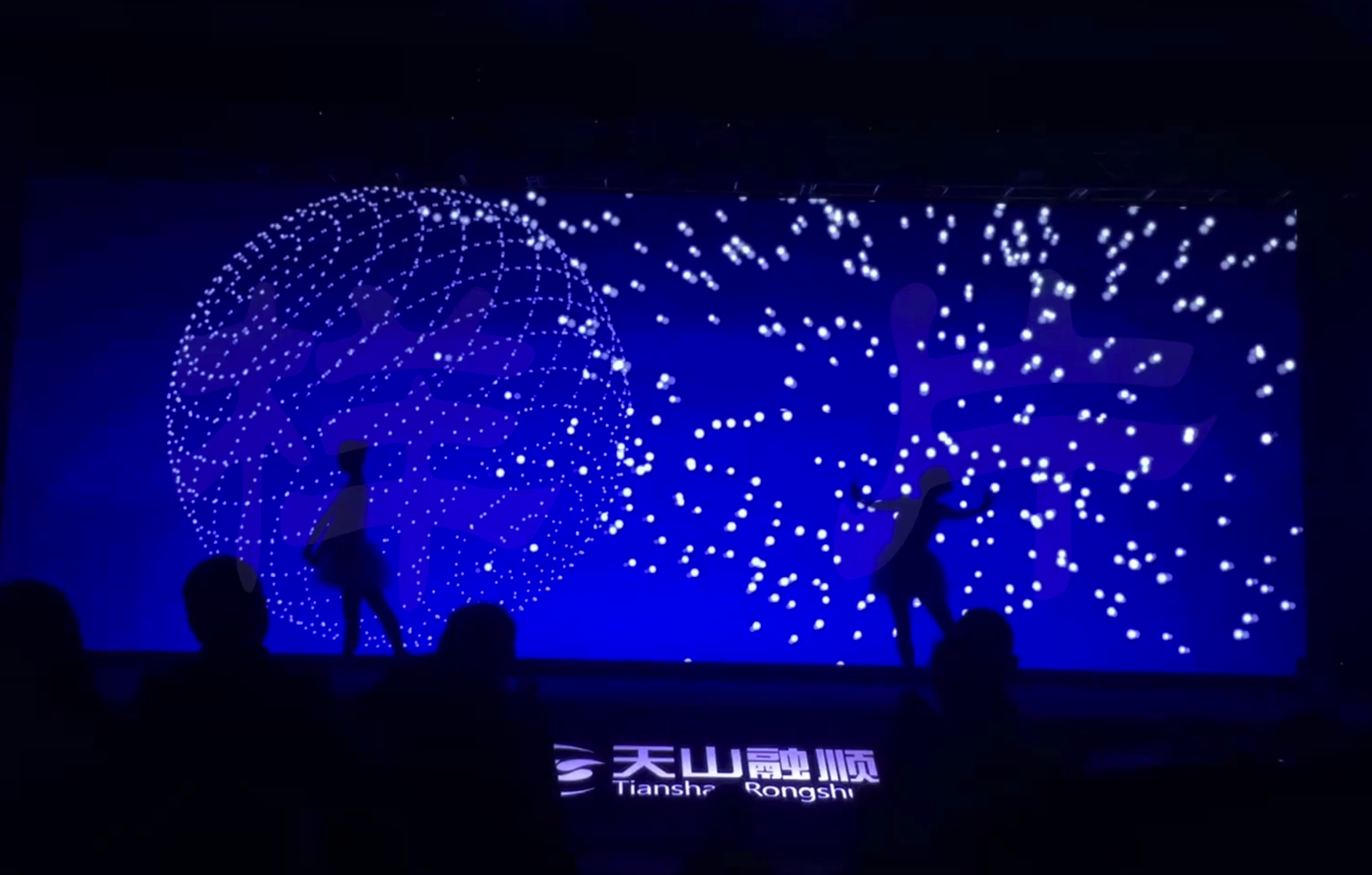
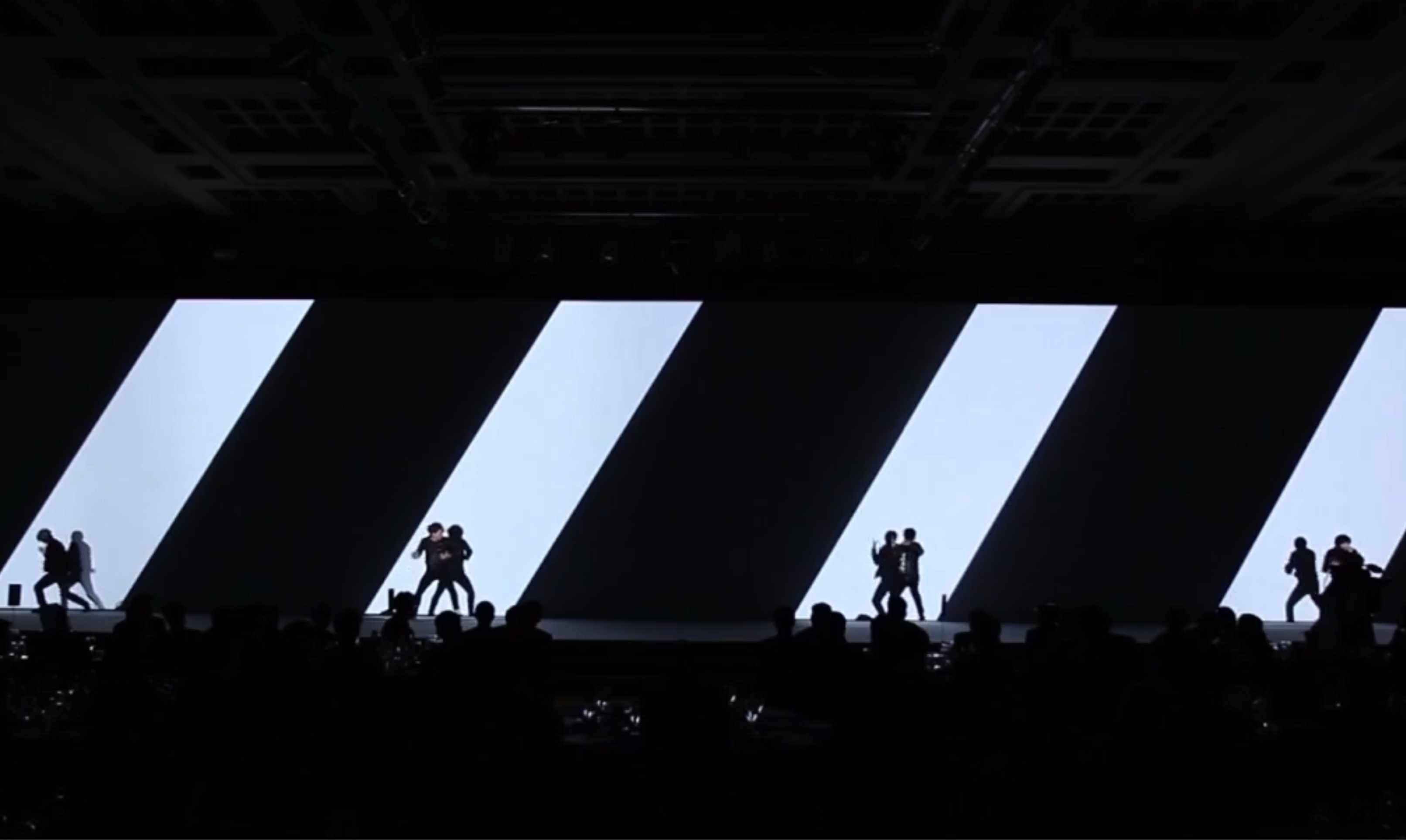
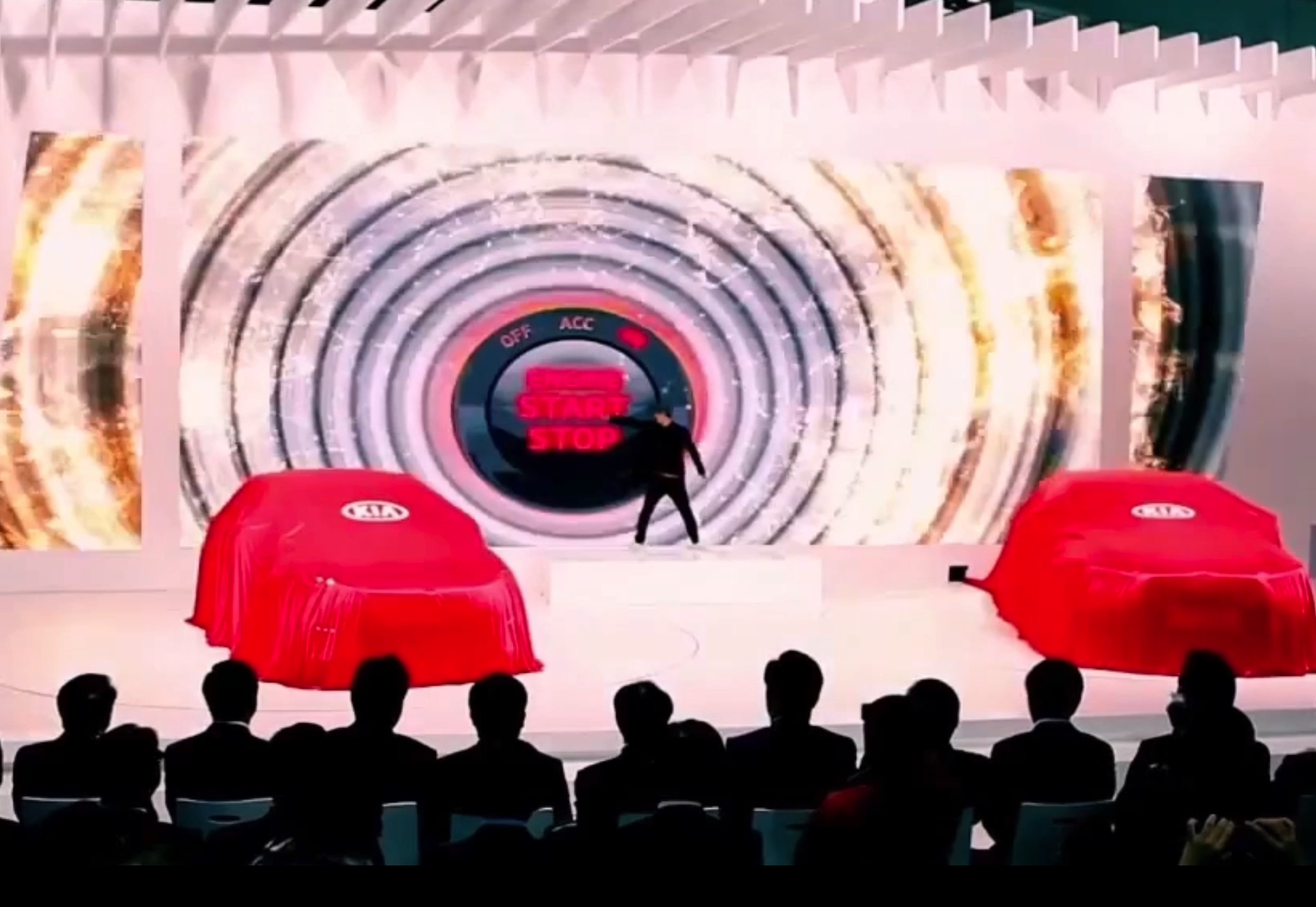
Century of Imagination explores creation through an encounter between people and light. Glimmers in the dark, gathering particles and floating spheres suggest ideas not yet fully formed. Reaching, turning, stretching and holding a pose, the dancers respond to the imagery. With each movement, an empty space gains paths, outlines and a sense of life. The appeal lies not only in what the screen shows, but in the feeling of watching an idea wake up.
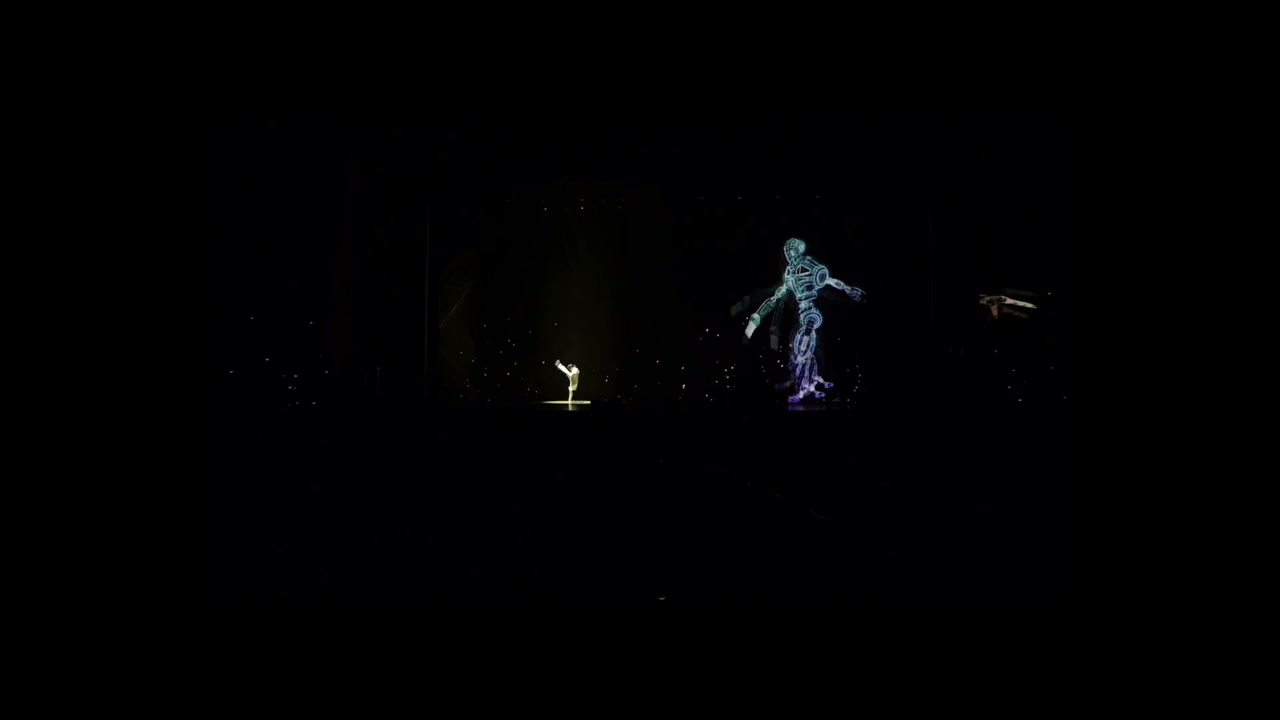
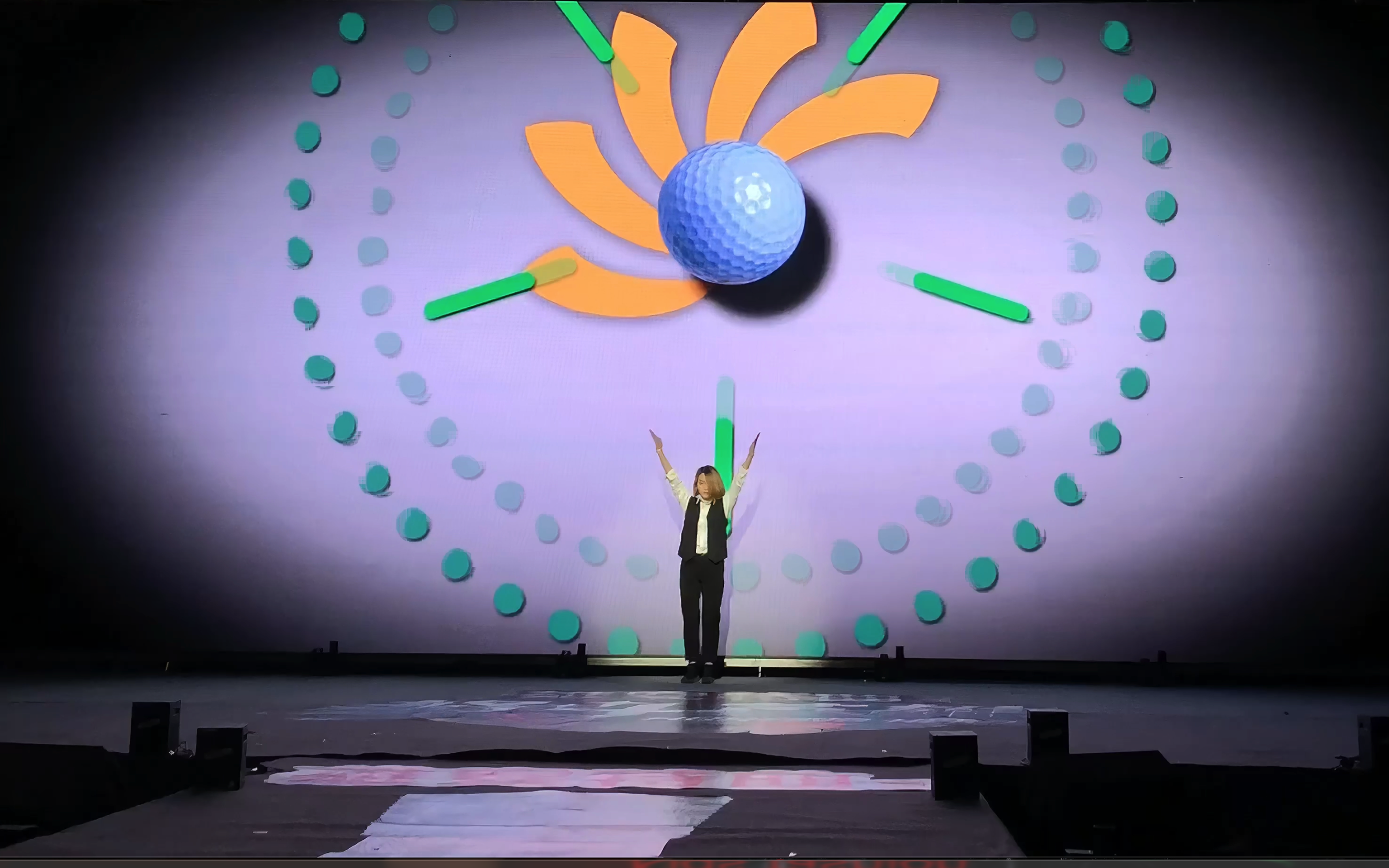
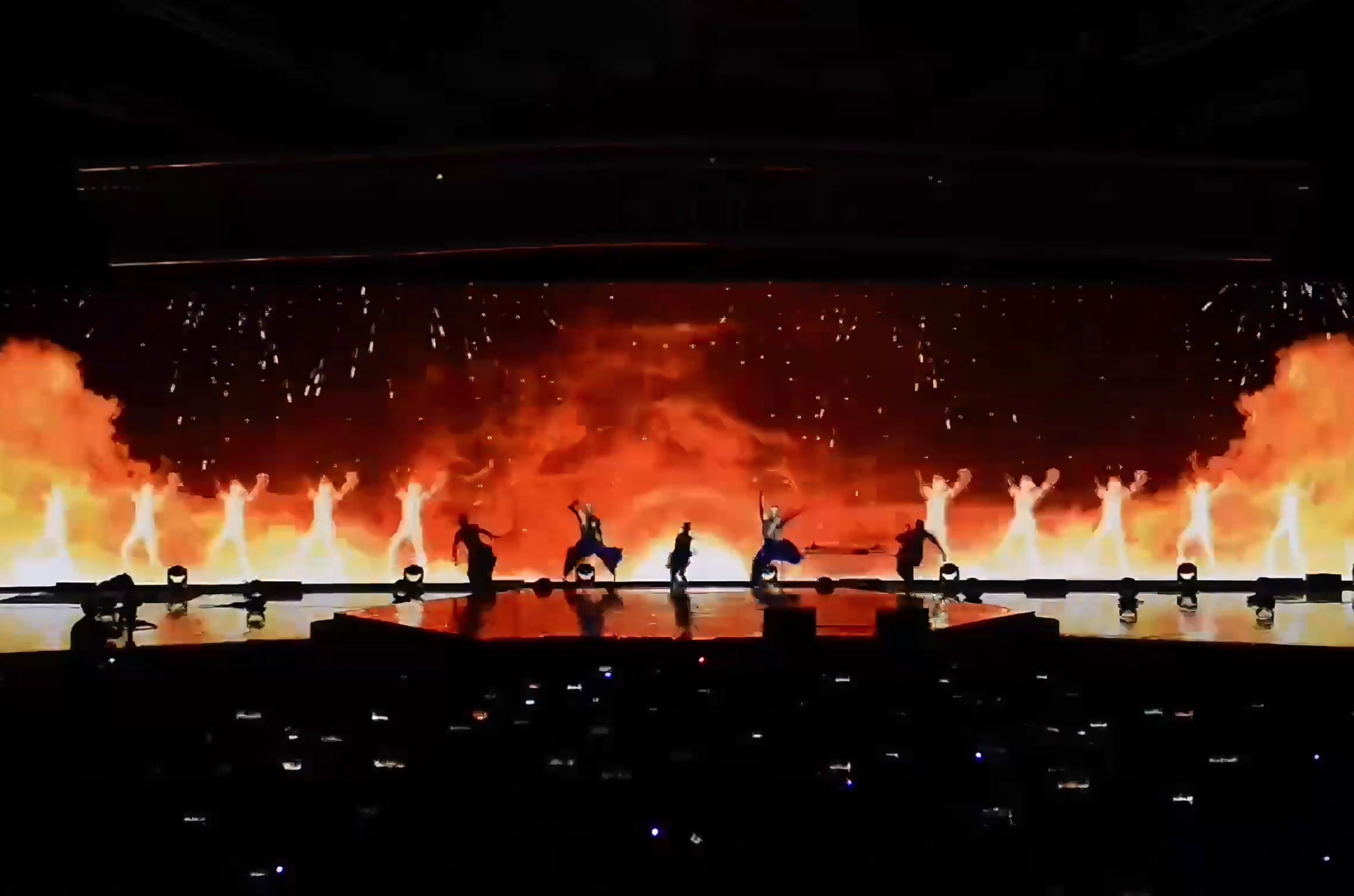
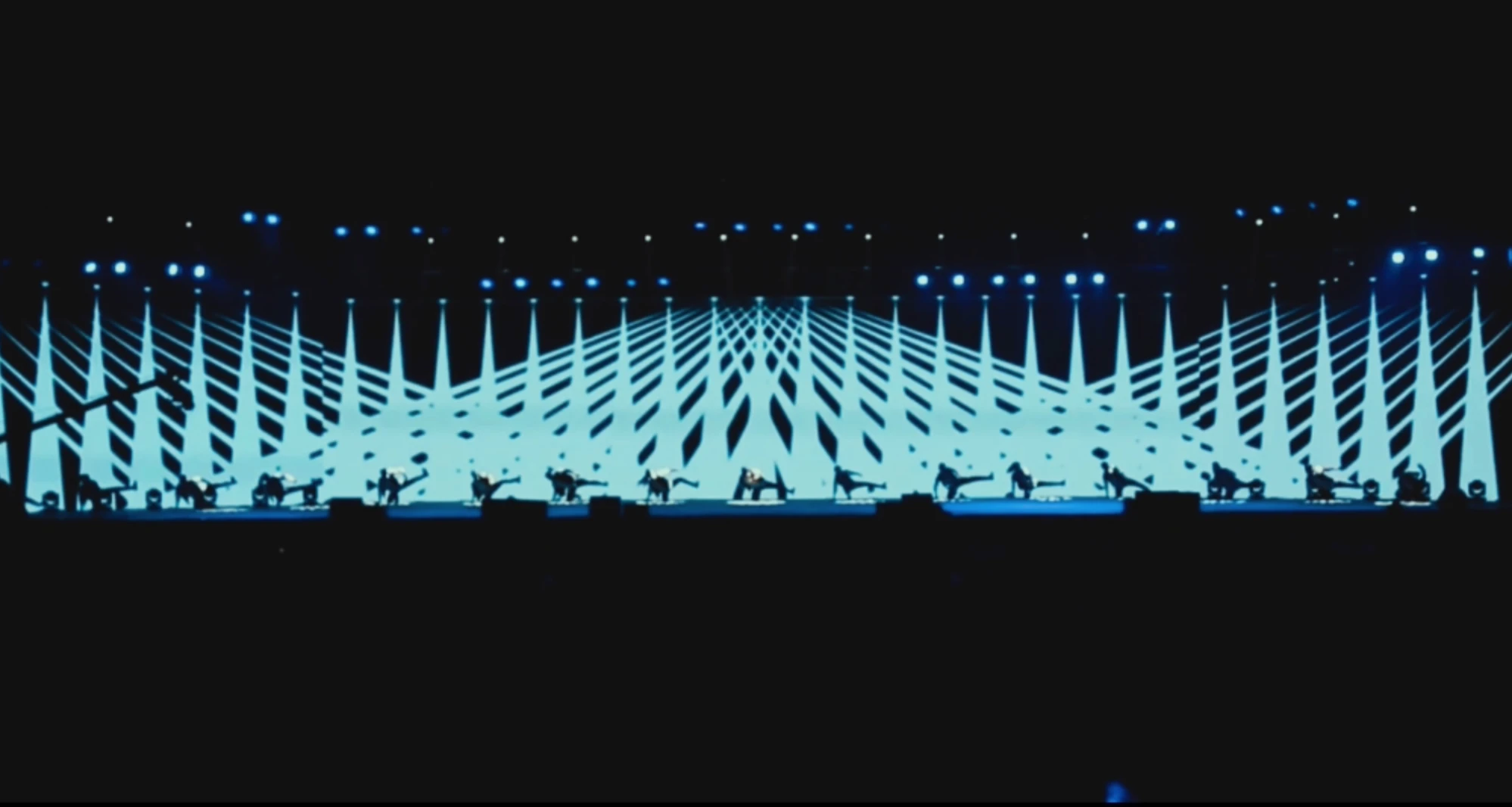
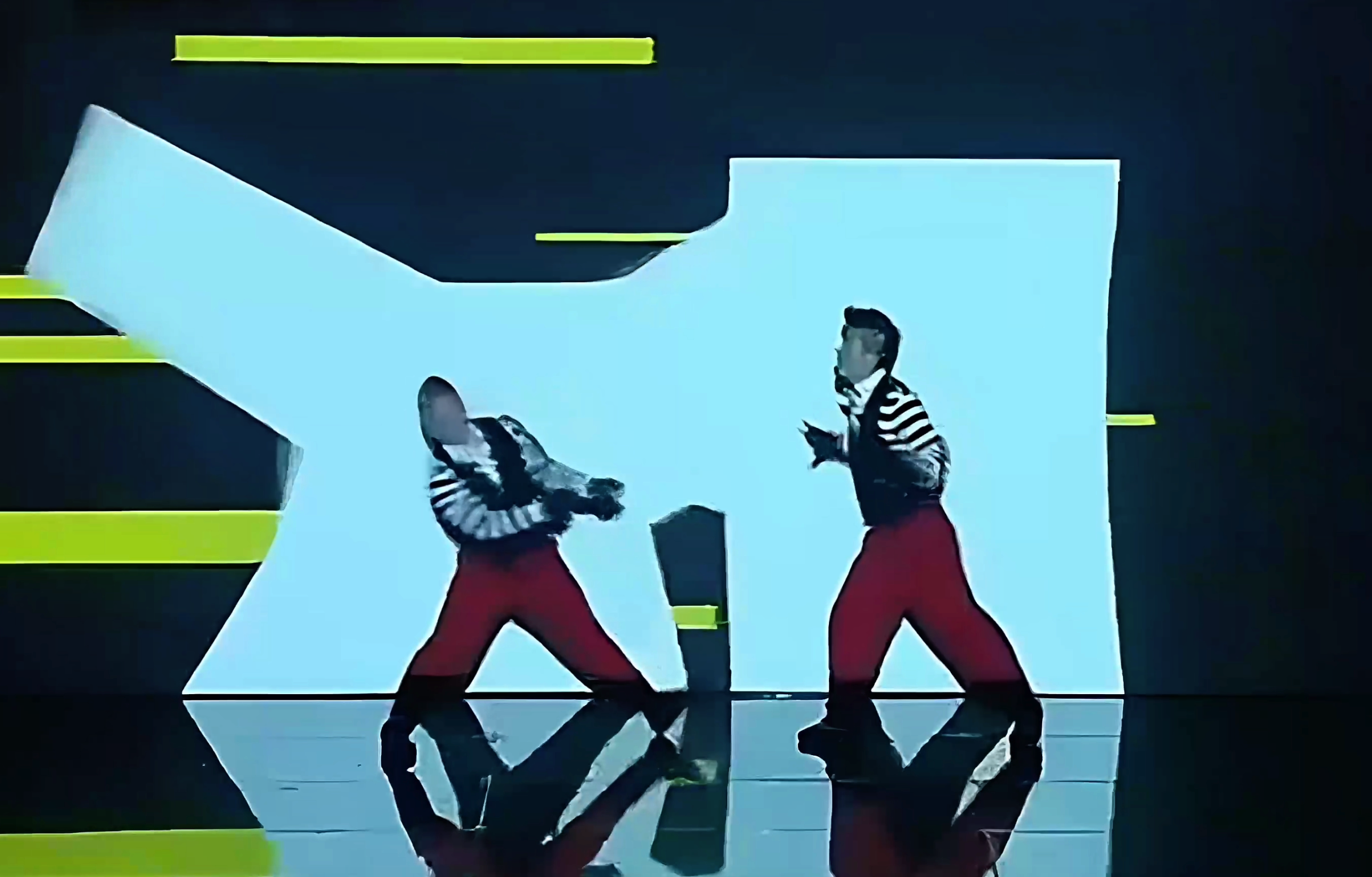
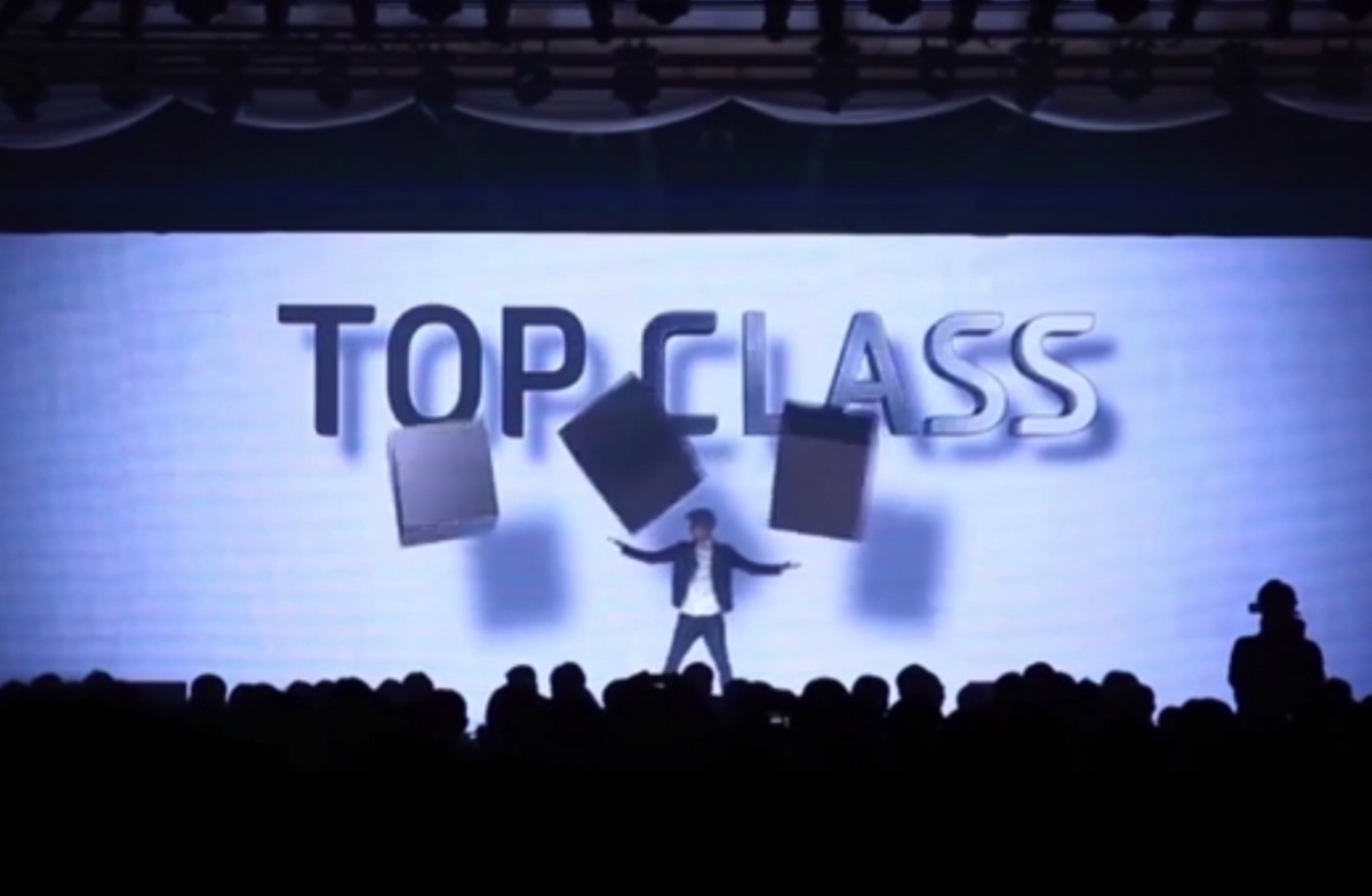
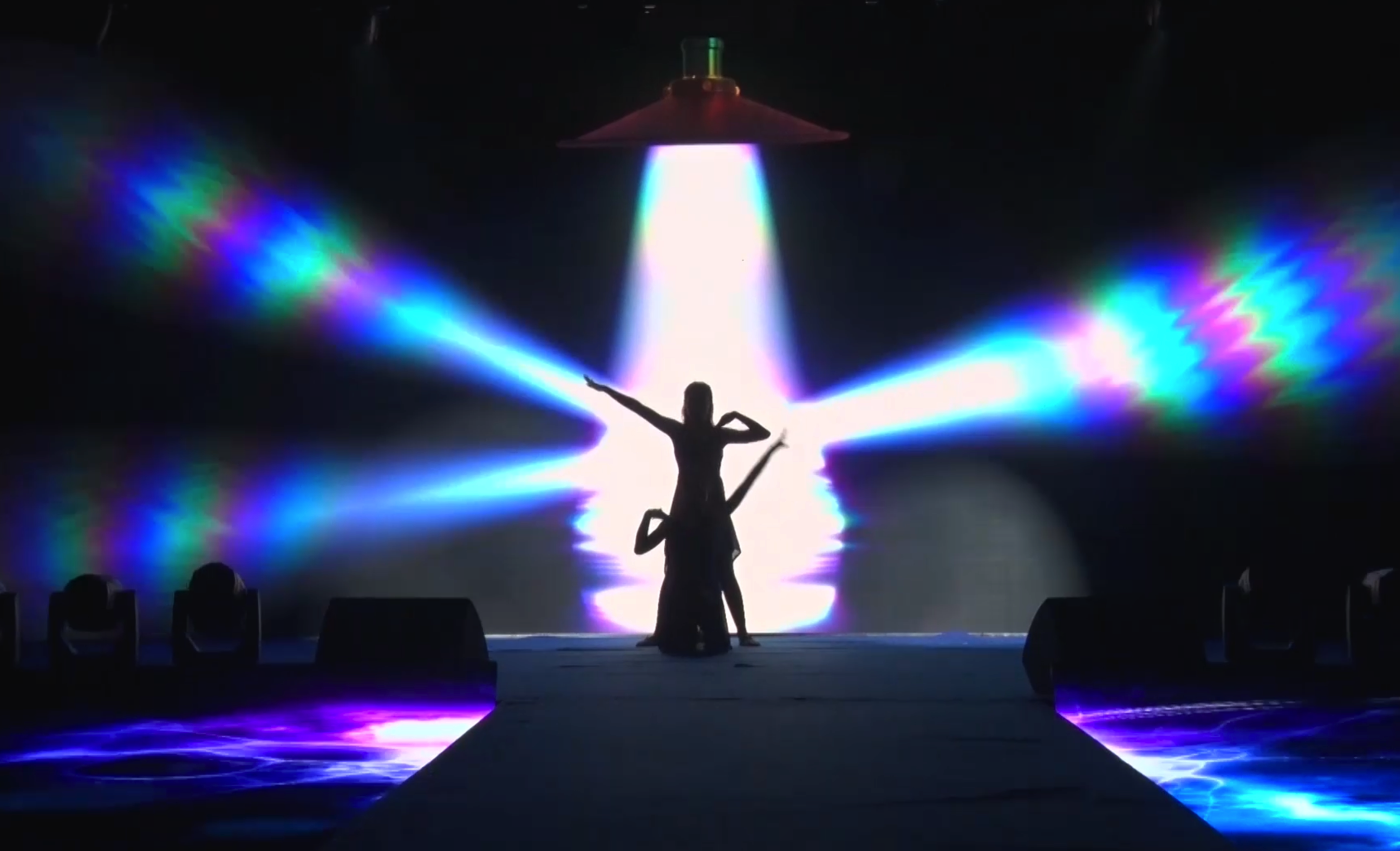
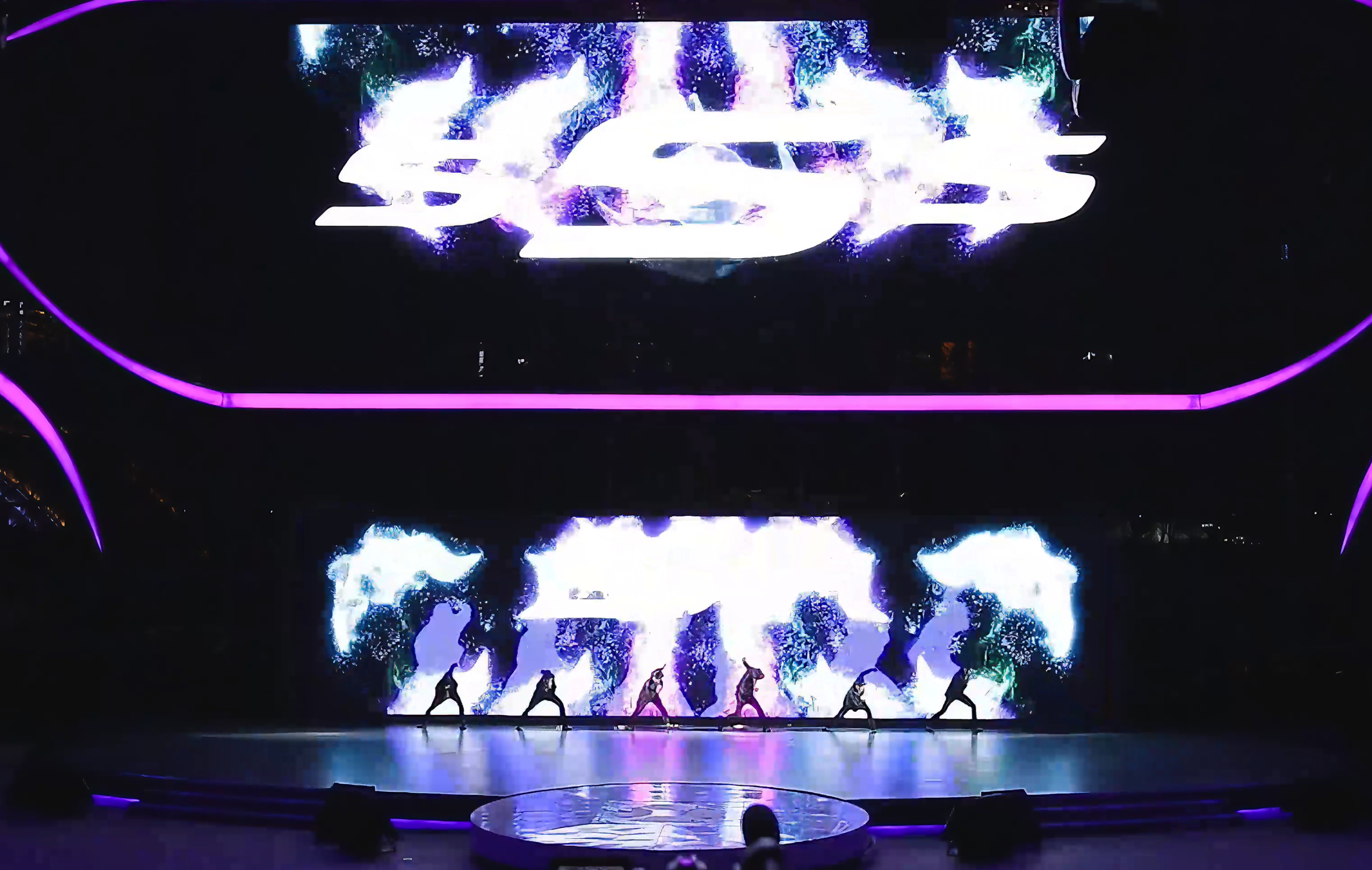
In the more forceful passages, beams surrounding the dancers, rotating spheres and enlarged digital figures echo the performers. A real body has clear limits; an image can extend, break apart, come together and grow beyond human scale. Side by side, they create the tension of exploring the unknown. People are not simply watching technology: they approach it, try to understand it and give it direction. Their presence gives the technology a human warmth.
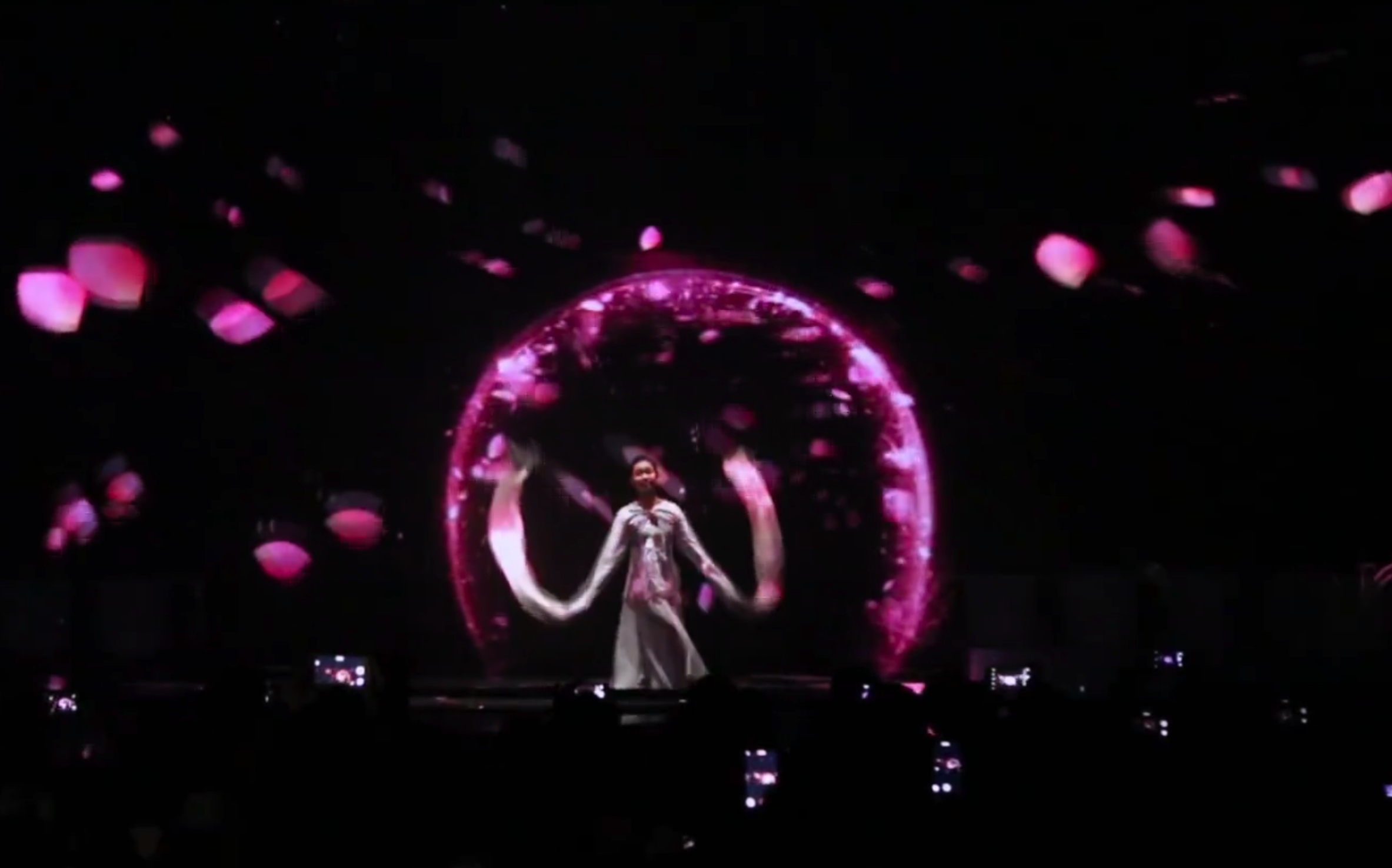
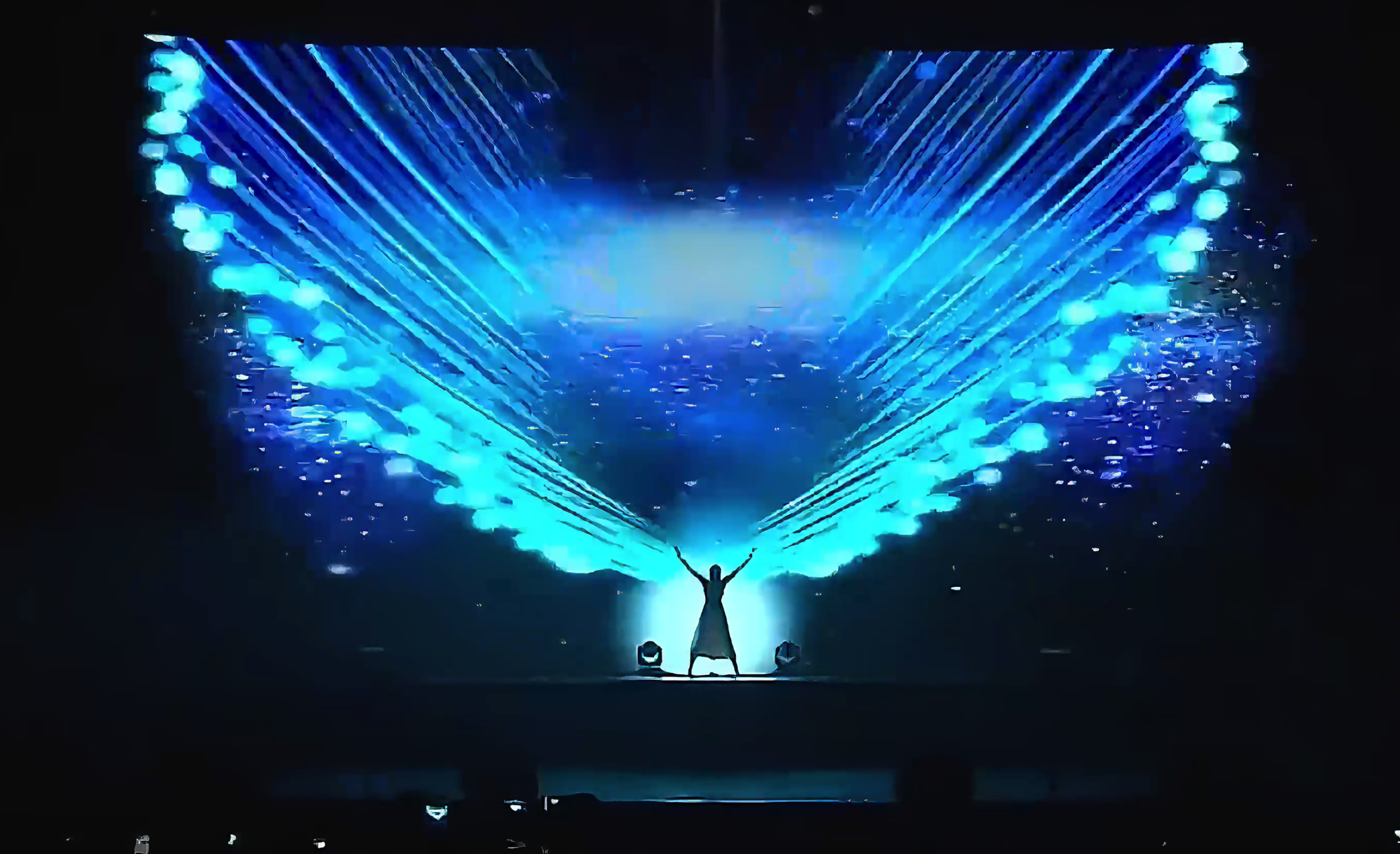
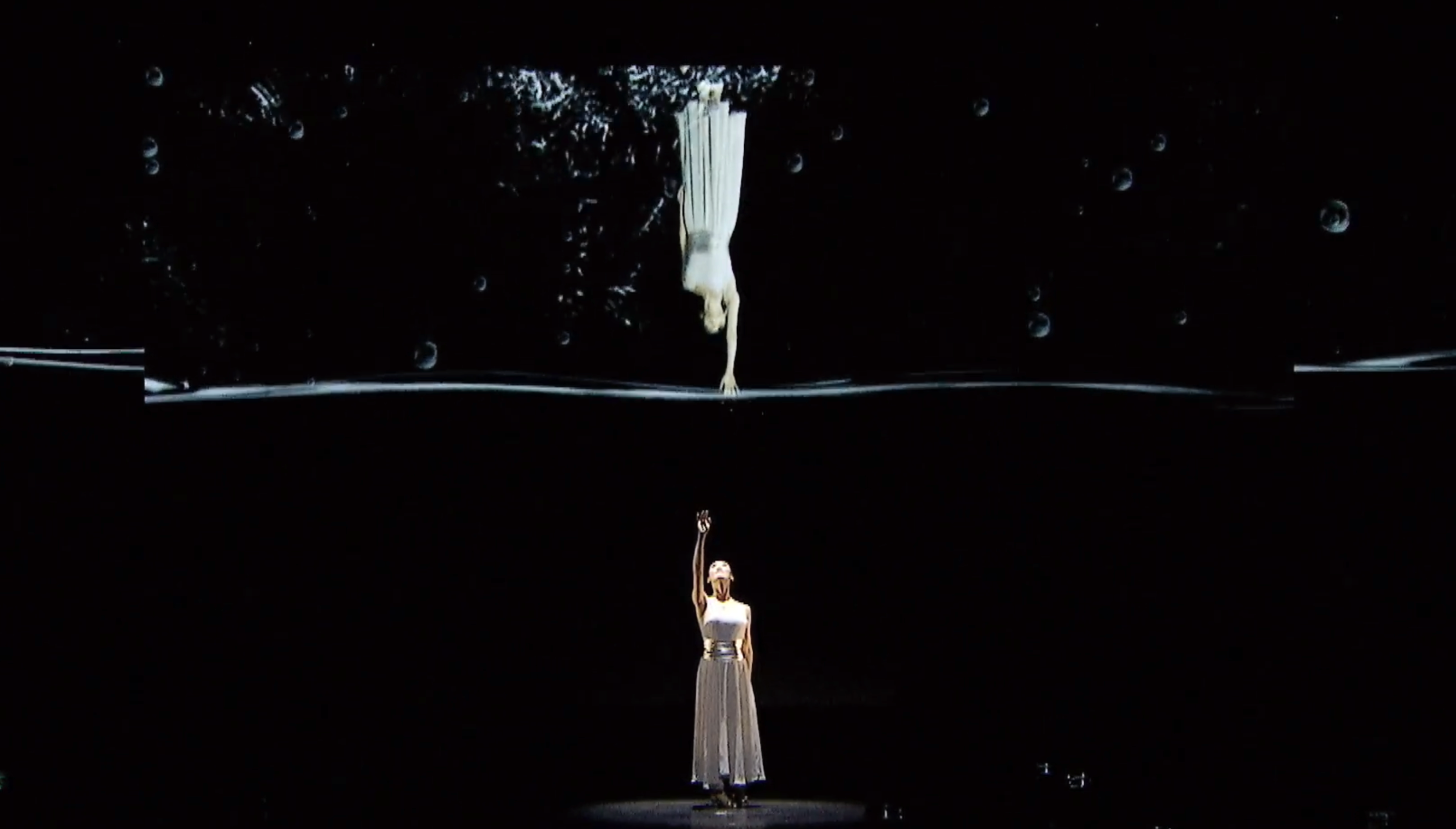
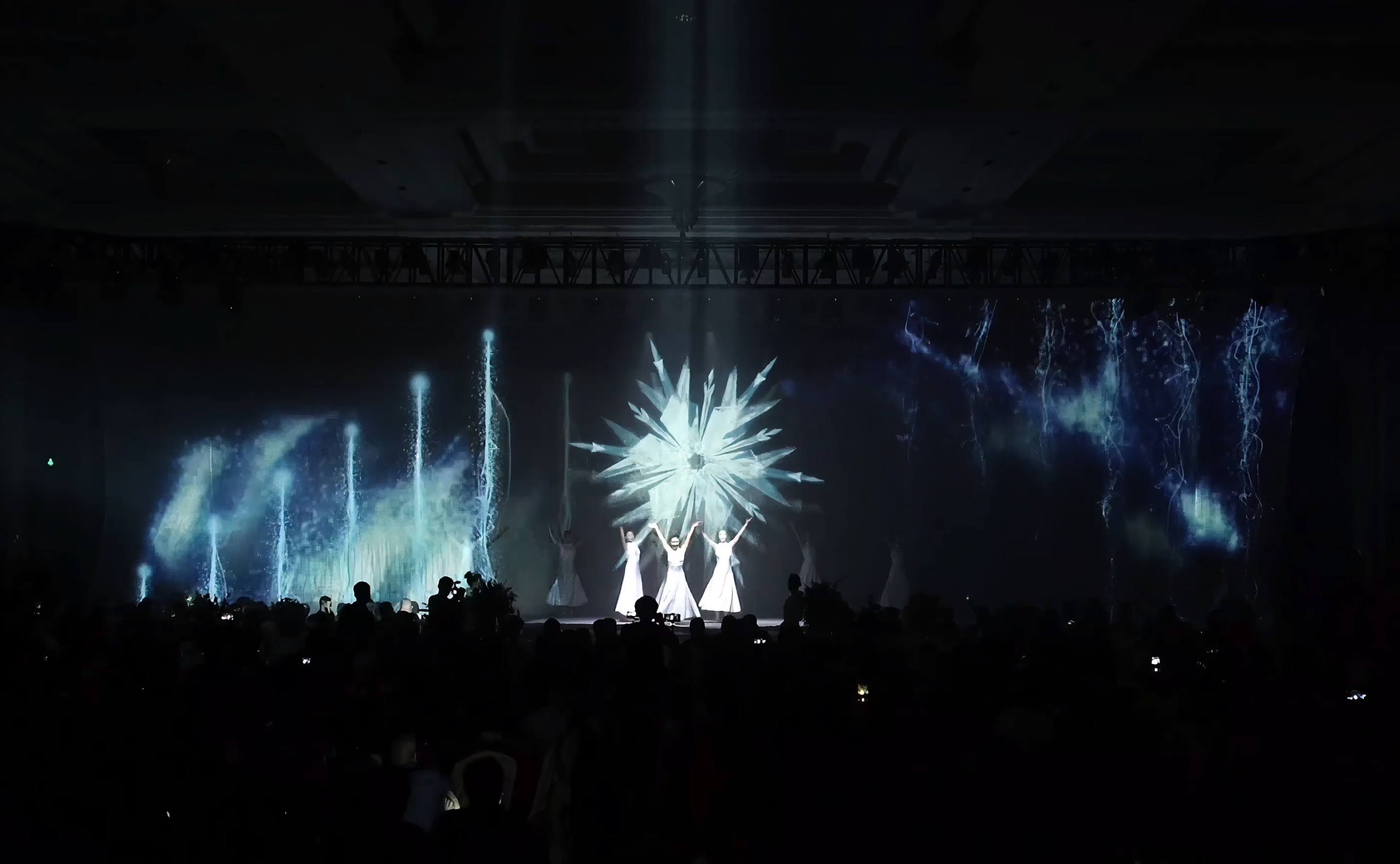
In lighter passages, white dresses and soft body lines meet blue-white light. Halos, scattered sparks and floating forms shift the stage from a release of power to a more delicate awareness. Creation need not always be a dramatic breakthrough. It can begin with a look, a tentative gesture or an unspoken thought. This balance of strength and softness makes the imagined future feel unfamiliar without losing human emotion or imagination.
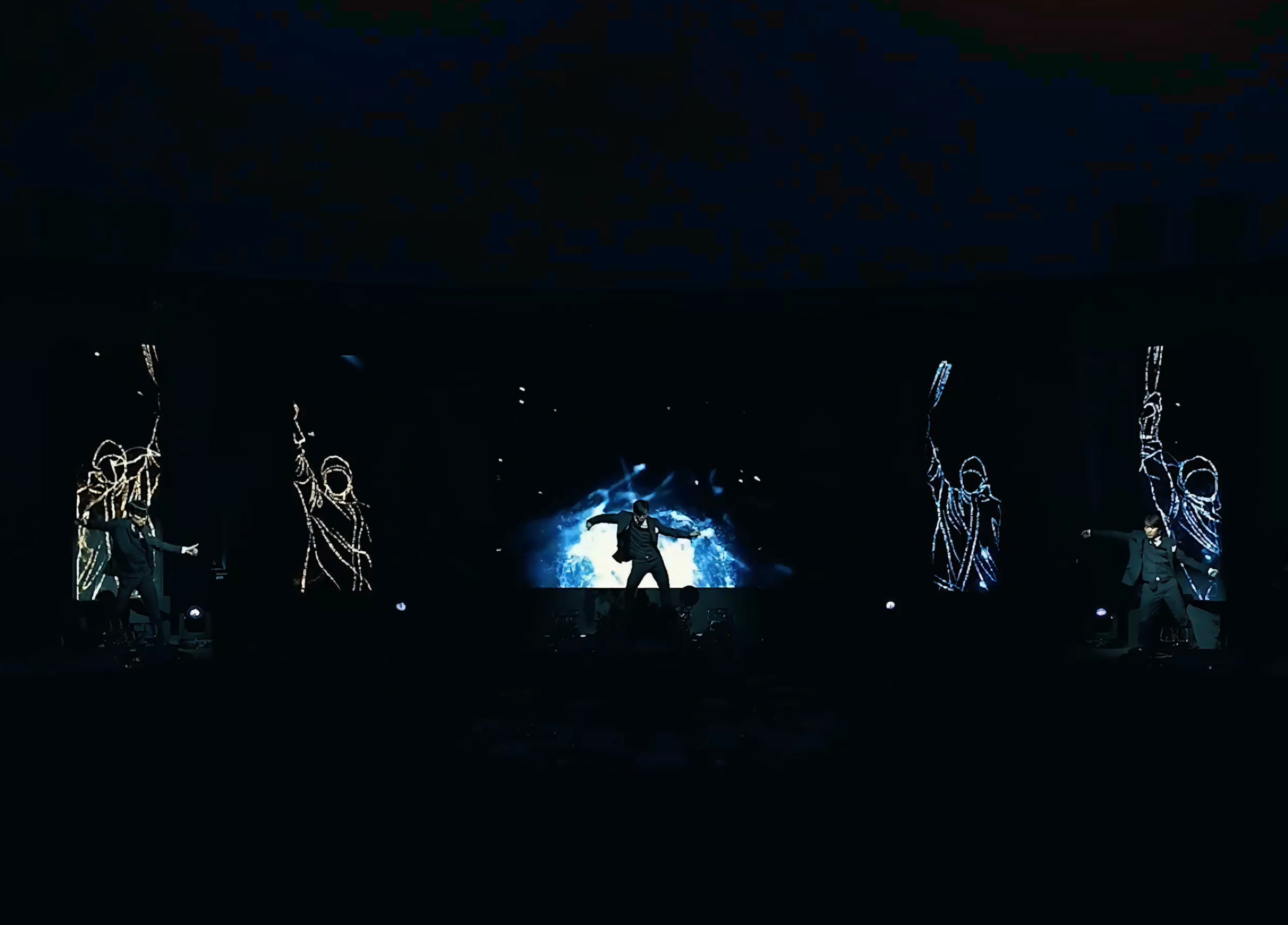
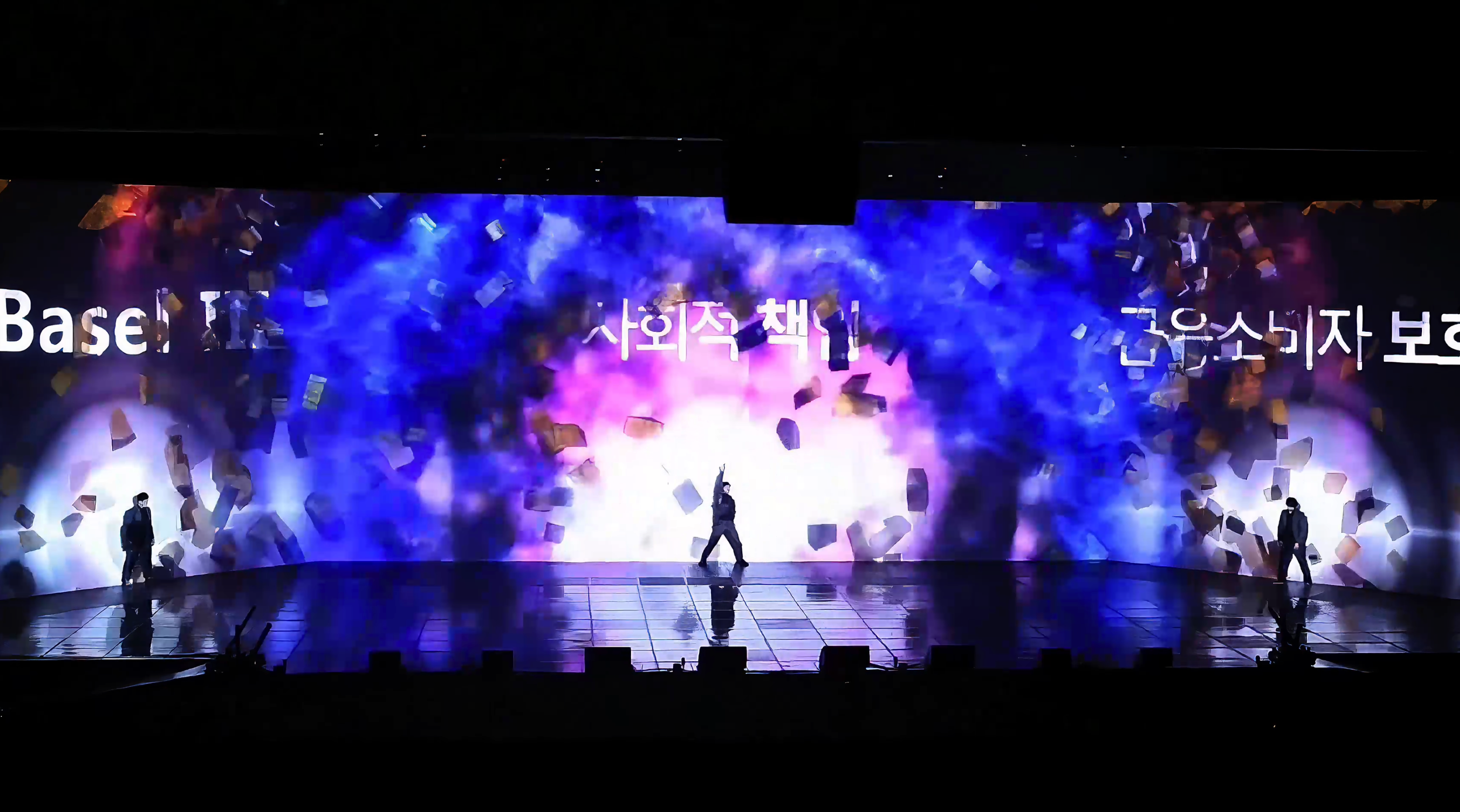
Digital outlines, illuminated text and coloured ribbons of light turn abstract ideas into communication and connection. As more dancers join in, the visual focus moves between bodies, responding and spreading rather than staying with one performer. Each movement offers its own starting point; a shared rhythm connects them. The stage opens up the possibility of creating together, from one person's inspiration to a group's collaboration.